


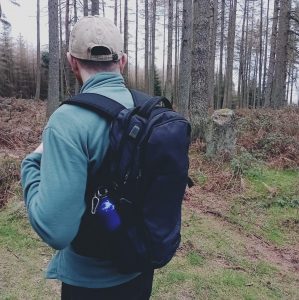
From relaxing afternoon rambles to gruelling multi-day treks, there are few things more important when hitting the trail than your trusty old rucksack.
A handy place to store all the essentials, you’ll likely have a whole manner of snacks, drinks, equipment & clothing strapped to your back during your outdoor adventures!
With space of the absolute essence, needless to say that knowing how to correctly pack your rucksack really does pay dividends.
Not only will you be able to cram more in there, but correctly packing it also increases comfort, accessibility and gives you the peace of mind that you’re prepared for whatever comes your way.
To save others from the trial & error I endured over many hikes perfecting my rucksack setup, I’ve recently gone and teamed up with Regatta to help create a guide for all those of you who could use a helping hand!
Interested? Let’s get to it 👇👇
How to pack a rucksack for hiking
While every hike is different, there are still some general principles you should always keep in mind when packing your bag.
Plan ahead
First and foremost, you need to cater you’re packing strategy towards what kind of hike you’re undertaking.

It’s a good idea to start thinking about what equipment you’ll need for your excursion a few days in advance and how it’ll all fit into your rucksack.
For instance, if you know you’ll be hiking at night, be sure to pack things such as a head torch and store it somewhere easily accessible. If rain is a possibility, always have your jacket & waterproof trousers stashed somewhere handy.
A simple mantra I like to follow when planning my rucksack setup is that ‘it’s always better to be over prepared than underprepared’.
Put liquids & food in food bags
Likewise, to keep all your clothing & equipment safe, it’s certainly worth segregating any foods and liquids into designated food bags.
You’ve likely paid a pretty penny for your rucksack and all the gear its housing. The last thing you want is anything spilling and compromising your belongings.
Trust me, I’ve been there. A jacket covered in a tuna mayo sandwich is not a pretty sight…
This rule applies even more so if you have electrical equipment in your rucksack such as a phone recharge pack and flashlight since water spillage will likely damage them beyond repair.
Use dry bags
In addition to liquids inside your rucksack, you’ll also need to keep your equipment dry and safe from the outside elements. That’s where dry bags come into play.
While you can use a number of smaller dry bags to protect your things, some hikers I know prefer to keep things simple by lining their backpack with one larger dry bag instead. Either method works fine, whatever works for you!
If you’ve got a top-notch rucksack, chances are it also possesses a waterproof lining which you can unravel for added defence when rain rears its head.
Bed your rucksack
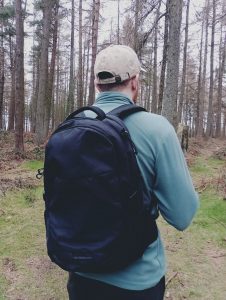
For maximum comfort and convenience, you’ll want to bed your rucksack by putting equipment you won’t be using much at the bottom of the pile.
For example, if you’re on a multiday trek and have brought a sleeping bag along, storing it at the bottom of your bag makes sense since you’re not going to need it until you set down for the night. Cushioning your backpack in this way also makes it much more comfortable to haul over long distances.
Pack heavy things closer to your back
Furthermore, to maximise comfort and to keep your spine safe, I’d recommend placing heavier items as close to your back as possible.
This could include things such as camping gear, cooking equipment or even just extra bottles of water. Keeping them close to your back gives you a better centre of gravity and won’t compromise your balance as badly.
Particularly when you’re tired, uneven weight distribution in your rucksack can quickly become a real annoyance and may even lead to injury if it causes you take a tumble.
Minimise empty space
You really would be surprised at how much you can cram in a rucksack when utilising all the available space effectively.
Make good use of every nook-and-cranny, packing items in a way which minimises the air pockets between each object. Think of it like a sort of jigsaw, slotting things neatly together and not leaving precious space unused.
Top tip – Clothing and soft items are perfect for filling the spaces between bigger and firmer objects since they can easily form into whatever gap is available. Be sure to tightly roll up your apparel (instead of folding) to make it even easier to wedge in!
Take advantage of all your rucksack’s compartments
A first-rate rucksack will likely come with all sorts of nifty compartments, pockets and straps. Use all these to your advantage.
For instance, smaller items and food can be stored in all the smaller pockets, leaving more space in the bigger sections of your rucksack for bulkier objects which aren’t as pliable.
Utilise the outside of your backpack

While you should by no means overload the outside of your bag, many rucksacks do conveniently have outer compartments that’ll allow you to strap on additional items for extra room.
To save space, you may even see some multi-day hikers strapping their sleeping bags to the outside of their rucksack to save on space.
Efficiently utilising the outside of your rucksack is fine, just don’t overdo it. Start adding too much and it’ll likely throw your weight distribution off kilter.
Stand your rucksack upright before heading out
What I like to call the moment of truth.
If you’ve done everything right, your rucksack should be able to stand on its own accord without falling over.
If this is your first-time packing, you may need to tweak a few things before it stays upright. Once you get the hang of it however, it soon becomes second nature!
Keep safety in mind
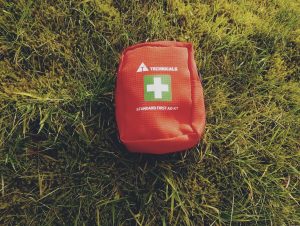
Last but certainly not least, always ensure you’re taking the necessary safety precautions.
For any outdoor adventure, it’s imperative to have a reliable navigation and to ALWAYS keep a First Aid Kit handy.
We learned this hard way. A few years back my partner fell & badly grazed her knee on a hike, and we’d carelessly forgotten to pack our first aid kit.
All we were able to do was stay put and rely on the assistance of a stranger who kindly let us use their first aid equipment before hobbling all the way back to the car.
Lesson learned. The Great Outdoors is a beautiful but often unpredictable place so its best to be prepared.
Handy things to pack in a rucksack when hiking
*The following linked items were kindly gifted by Regatta
Depending on the difficulty & length of your hike (in addition to whatever weather conditions you’ll be faced with), the equipment in your rucksack will often vary.
While I won’t name every single thing you may possibly need, there are certainly some key items you can’t go wrong with. Some of the main ones which spring to mind include:
- Spare walking socks
- Flashlight or head torch
- Rechargeable battery pack
- Clothing (waterproofs & extra layers for added warmth)
- Gloves
- Hat
- Hygiene essentials
- Bug repellent
- Plenty of water
- Hiking snacks
- First aid kit
- Sun cream
*For multi-day hikes and camping trips you’d also need things like a sleeping bag, cooking utensils etc.
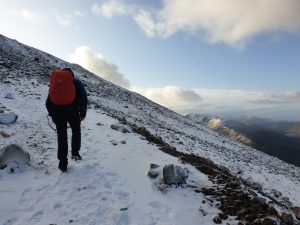
How to pack a rucksack for a day-hike
Accessibility tends to be the main focus when crafting my rucksack setup for a day hike. You’ll have the luxury of carrying MUCH less than a multi-day trek, meaning you can really play around with how to organise your gear.
First and foremost, you want a rucksack large enough to pack all the essentials without being unnecessarily bulky and cumbersome. A bag in the range of 20L-30L tends to be the sweet spot for most.
As mentioned earlier in this post, the order in which you’ll pack your rucksack will largely be determined by what hike you’re tackling and the conditions you’ll be hiking in.
For instance, if it’s a scorching summer day, then there’s not much point having your waterproofs stored in the top zone of your backpack! They’d be better stuffed at the very bottom.

Even on day hikes, I also often bring spare layers of clothing for added warmth, especially when hiking at altitude since the temperature can drop in an instant.
A lightweight mid-layer is a solid option, and I’ve recently been wearing this lightweight fleece by Regatta which has been nothing short of amazing. Incredibly warm yet weighing next to nothing, it’s the perfect layer for easy storage.
Top tip – For more fleece ideas, also be sure to check out our ‘BEST Fleece Jackets For Hiking’ blog post!
If I’m taking a water bladder, I’ll usually set this up down the back of my rucksack, and I also tend to bring along a trusty steel water bottle to sit in the side pocket for easy access.
In the top zone of your rucksack, you’ll ideally want to store things such as your hat, gloves, compass, map, first aid kit and food – basically anything you may need regularly or quickly.
If I’m on a shorter walk where I don’t need to bring loads of food however, I’ll even sometimes just stuff some snacks in my jacket pockets to save rucksack space. For more info on what snacks to bring along for your walks, head on over to our ’10 Best Hiking Snacks To Fuel Your Next Adventure’ post!
More resources
In the market for a rucksack? Then I really couldn’t recommend Regatta enough. Super stylish & built specifically for the outdoors, be sure to trawl through their backpack section here 👈
Likewise, for all the hiking inspiration you need, why not explore more of The Walking Northerners blog? With a whole host of walking guides, I’m sure there’s something that’ll tickle your fancy!
Happy walking 🚶🚶